

How to ensure efficient and safe grain transportation?
Grain is a key food commodity worldwide. Various conveyor systems are an essential and integral part of grain handling and transportation. This process must be both efficient and safe. When handling grain, dust, explosion hazards, belt wear, and the need for periodic belt replacement are common challenges.
Therefore, when a conveyor belt wears to the point where it needs to be replaced or repaired, the production manager must consider three things: first and foremost, employee safety; secondly, minimizing downtime; and, of course, the cost of replacement or repair.
What exactly should you pay attention to?
BELT SPLICING
The splice is always a critical point of a conveyor belt and often determines how long the belt can operate continuously. The higher the quality and strength of the splice, the longer the belt can operate without interruption.
Vulcanization is undoubtedly the most effective and reliable method of conveyor belt splicing. A properly vulcanized splice provides high strength and a long service life, making it the optimal solution for planned belt installation and repair.
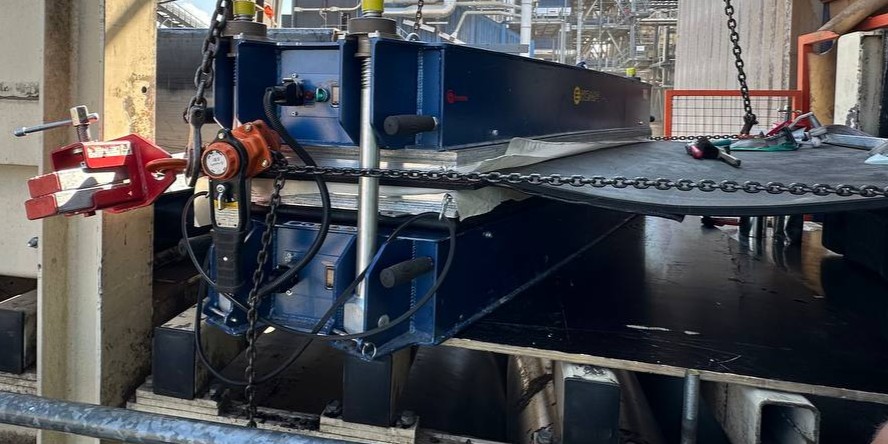
However, what should you do if the belt is suddenly damaged, the conveyor comes to a standstill, and immediate vulcanization is not possible?
In such a situation, quickly restoring operation and minimizing downtime become the top priorities.
For such emergency situations, we recommend keeping a stock of Flexco mechanical fasteners and the necessary installation tools on site. They allow the belt to be spliced quickly and directly on site, helping get the conveyor back into operation until a planned repair can be carried out.
It is important to remember, however, that not all mechanical fasteners are the same, especially when it comes to grain handling. The type of fastener should match the belt specifications and operating conditions. In grain handling facilities, particular attention should also be paid to another important factor — the risk of sparking in potentially explosive dusty environments.
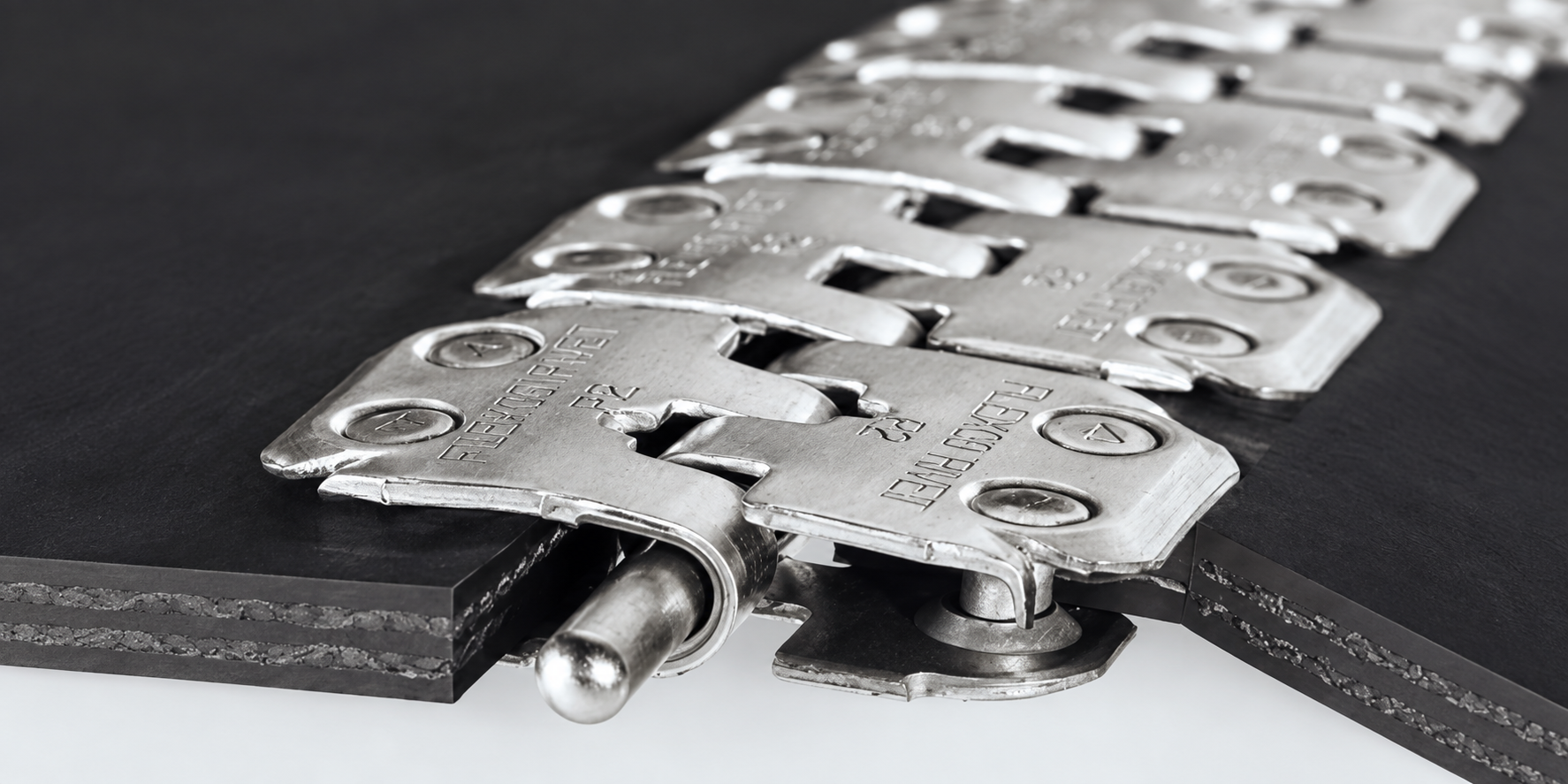
MINIMIZING EXPLOSION RISKS
Explosive dust is an ever-present factor in the grain transportation process; therefore, the safety of the process and the workers is the number one priority.
To minimize this risk, the best choice for belt splicing is to use fasteners made from Everdur® alloy, which helps prevent dangerous sparking.
Everdur is a strong copper-silicon alloy that produces almost no sparks compared to steel. It is also non-magnetic and abrasion-resistant, making it an ideal choice for long service life in dusty grain handling environments.
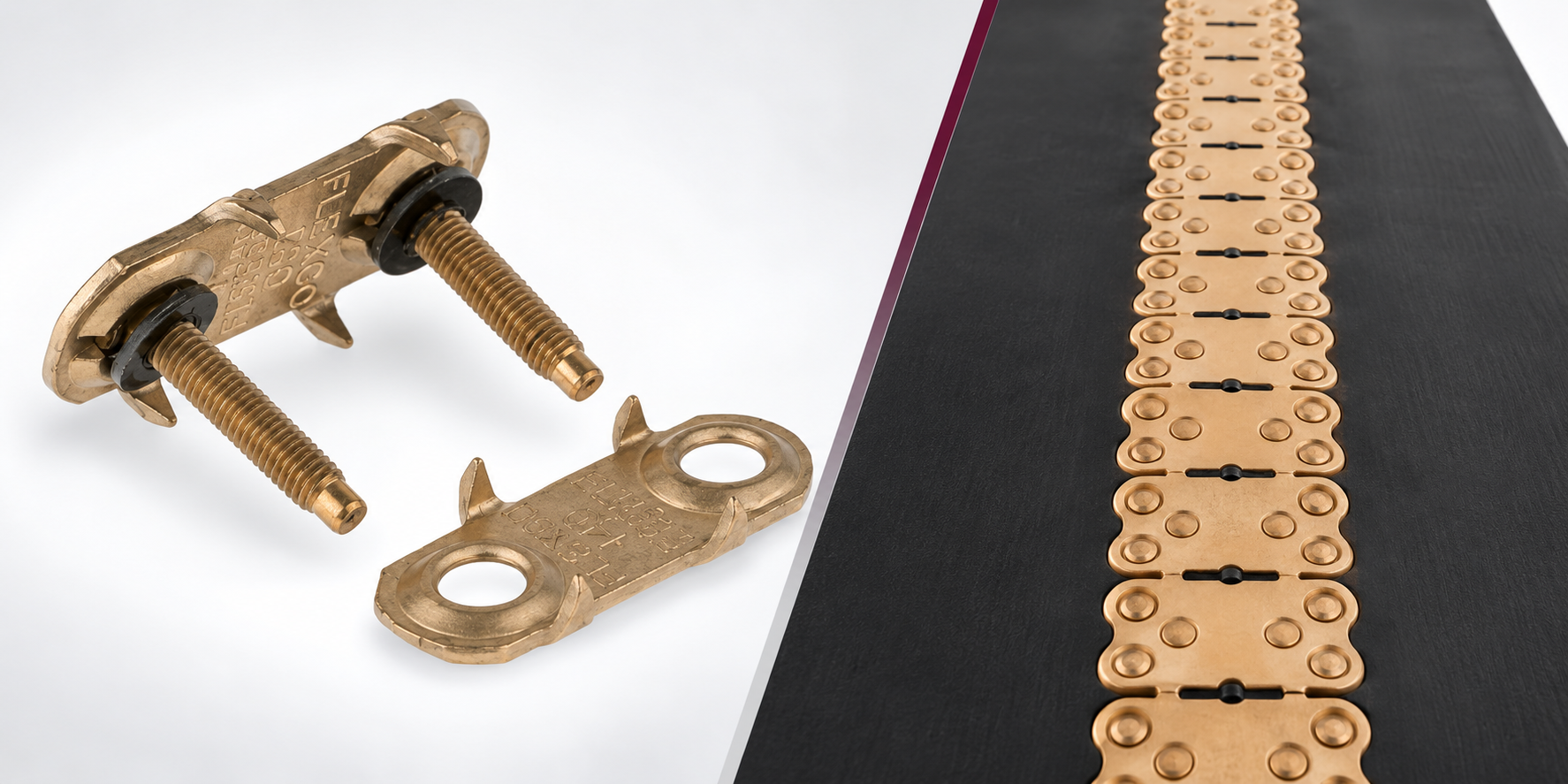
Different types of Everdur® fasteners can be installed using bolts or rivets and are suitable for a wide range of conveyor belts, helping minimize the risk of explosions caused by accidental sparking in dusty environments.
IMPROVING PRODUCTIVITY
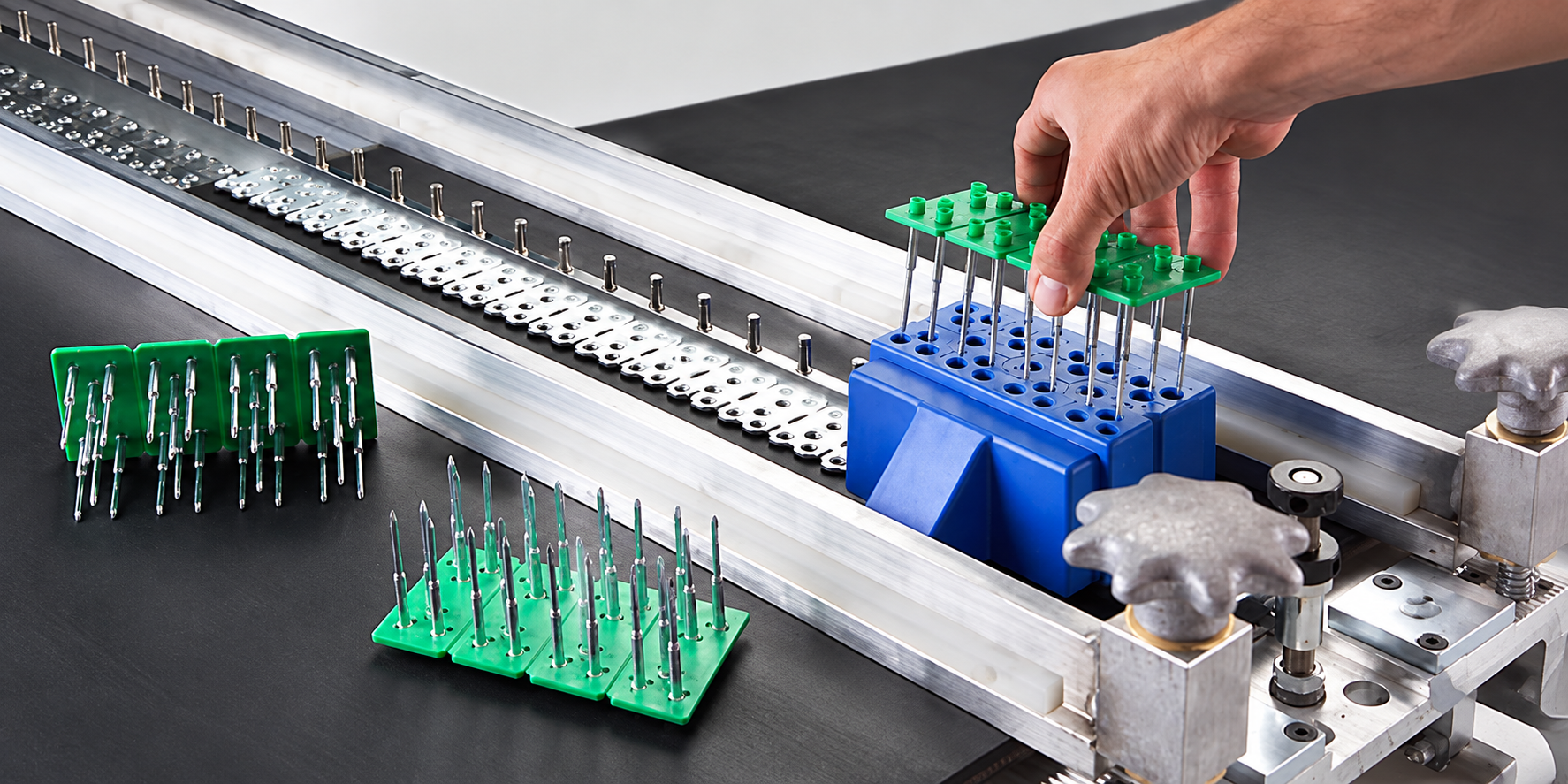
When selecting a belt splicing system, it is always important to consider opportunities to save time. While manual fastener installation is a cost-effective option, reducing splicing time and ensuring consistent installation quality are compelling reasons to choose a system that can be installed not only manually but also with power tools.
Power-assisted fastener installation not only significantly reduces belt splicing time but also helps prevent worker injuries by minimizing manual labor.
We understand that efficient grain transport is not just about productivity, but also about the safety of personnel and equipment. Selecting the right conveyor belt splicing solutions—from the type of fasteners to the materials used—can significantly minimize risks, reduce downtime, and enhance the reliability and efficiency of grain transport operations.



Comments